Roof rats, sometimes called black rats or ship rats, are agile, nocturnal rodents that have become a common nuisance in urban and suburban areas. Unlike their ground-dwelling counterparts, roof rats prefer elevated spaces, often nesting in attics, rafters, and ceiling voids. Their presence in a home or commercial building can result in structural damage, contaminated food sources, and serious health risks. Effective Roof Rat Removal Service Texas requires an informed, strategic approach that addresses both immediate infestations and long-term prevention, ensuring that these rodents do not return.
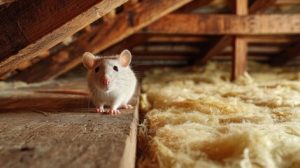
Understanding roof rat behavior is critical to implementing successful removal strategies. Roof rats are excellent climbers, using trees, fences, utility lines, and even vines to access elevated entry points. They are nocturnal, meaning they are most active at night, which often allows them to go unnoticed until damage or signs of infestation become evident. Their diet is highly adaptable; they feed on fruits, seeds, insects, pet food, and occasionally garbage. This versatility makes them persistent intruders in homes and commercial properties that provide reliable food and shelter.
Early detection is a key factor in effective roof rat management. Homeowners and property managers should watch for telltale signs, which may include droppings along roof edges and attic spaces, gnaw marks on wiring or wood, chewed insulation, and scratching noises during nighttime hours. Roof rats also tend to leave oily rub marks along walls or rafters where they regularly travel. Recognizing these indicators early allows for timely intervention before a small problem escalates into a full-blown infestation.
One of the most important aspects of roof rat removal is safe and effective exclusion. Because these rodents are highly skilled climbers, preventing re-entry requires meticulous sealing of potential access points. Common entry areas include vents, eaves, gaps in roofing materials, attics, and utility lines. Professional rat roof removal services often recommend the following measures:
- Sealing all gaps and openings: Use durable materials such as metal flashing, wire mesh, or specialized sealants to block access points. Even small openings, as little as half an inch, can allow roof rats to enter.
- Installing chimney and vent caps: These devices prevent rodents from entering chimneys, exhaust vents, and dryer outlets while still allowing proper airflow.
- Reinforcing structural weaknesses: Roof rats can exploit damaged roofing tiles, sagging soffits, or deteriorated siding. Repairing these areas not only strengthens the building but also reduces potential entry points.
Trapping remains a central technique in roof rat removal. Live traps, snap traps, and bait stations are commonly used to capture rodents effectively. Successful trapping requires careful placement along travel routes, usually along roof edges, rafters, or within attics. Professional removal services emphasize the importance of monitoring traps frequently to ensure humane treatment and prevent extended stress or suffering to captured animals. Bait selection is also crucial; foods such as nuts, dried fruit, and peanut butter are particularly attractive to roof rats.
Sanitation is another essential component of roof rat management. Even after rodents are removed, leftover food, debris, and nesting materials can attract new intruders. Maintaining clean attic spaces, removing old insulation that may harbor nests, and properly storing food in sealed containers significantly reduces the likelihood of re-infestation. Outdoor sanitation is equally important; trimming tree branches that overhang roofs, securing garbage bins, and keeping compost piles covered help prevent roof rats from gaining initial access to the property.
Seasonal awareness is also key to effective roof rat control. These rodents are particularly active during warmer months when food sources are abundant and during cooler months when they seek shelter indoors. Attics, roof spaces, and upper-level crawlspaces become attractive refuges during winter, while fruit trees and gardens provide sustenance during summer and fall. Understanding these seasonal behaviors allows property owners and pest control professionals to implement timely interventions that align with peak activity periods.
Health risks associated with roof rat infestations further underscore the importance of professional removal. Roof rats can transmit diseases such as leptospirosis, salmonella, and rat-bite fever. Their droppings and urine can contaminate surfaces and, when disturbed, release harmful pathogens into the air. Additionally, gnawed electrical wires increase the risk of fire hazards, particularly in attics and roof spaces. Professional services utilize proper safety equipment, cleaning protocols, and removal strategies to minimize exposure and protect both residents and property.
Preventive measures complement removal efforts and are critical for long-term control. Key preventive strategies include:
- Routine inspections: Regularly examine roofs, attics, vents, and exterior walls for signs of rodent activity or structural vulnerabilities. Early detection allows for timely intervention.
- Tree and vegetation management: Trim branches that touch roofs or provide pathways for rodents to access elevated areas.
- Proper storage of attractants: Keep pet food, birdseed, and garbage in secure containers to reduce available food sources.
- Regular maintenance of gutters and downspouts: Standing water and accumulated debris can create attractive environments for rodents and other pests.
Professional roof rat removal services often provide monitoring and follow-up assessments to ensure that removal is complete and that preventative measures remain effective. Motion-activated cameras, bait stations, and periodic inspections help identify new activity before it becomes problematic. This proactive approach reduces the likelihood of recurring infestations and maintains peace of mind for homeowners.
Cost considerations further highlight the value of timely roof rat removal. Delaying intervention can lead to significant damage to roofing materials, insulation, electrical systems, and even structural framing. Addressing infestations early, combined with preventive measures, often proves far more cost-effective than repairing extensive damage caused by a prolonged rodent presence. Investing in professional removal and prevention not only safeguards property value but also reduces long-term maintenance expenses.
Education and awareness empower property owners to remain vigilant. Recognizing subtle signs of roof rat activity, such as scratching sounds, unusual droppings, or damage to insulation, allows for rapid response. Understanding rodent behavior, preferred nesting areas, and seasonal activity patterns helps homeowners implement targeted solutions and reinforces the effectiveness of professional interventions.
Modern technology enhances the effectiveness of roof rat removal. Thermal imaging and infrared cameras allow technicians to detect rodents in hidden spaces, while smart monitoring systems provide real-time alerts of renewed activity. These tools, combined with traditional trapping and exclusion methods, create a comprehensive removal strategy that addresses both visible infestations and underlying vulnerabilities.
Ultimately, effective roof rat removal services focus on immediate elimination, structural protection, and long-term prevention. Removing the rodents is only part of the solution; ensuring they cannot return requires a comprehensive approach that combines exclusion, sanitation, property maintenance, and monitoring. A strategic plan not only reduces property damage and health risks but also ensures a safer and more comfortable living environment for all occupants.
By investing in professional roof rat removal and implementing proactive preventive strategies, homeowners can minimize the risks associated with these agile and persistent rodents. Effective removal is not just about resolving current infestations—it is about establishing durable, long-term defenses that protect the home from future invasions. With proper planning, seasonal awareness, and professional support, roof rats can be managed efficiently, safeguarding both property and the well-being of residents.
Protecting a home from roof rat infestations requires diligence, knowledge, and a strategic approach. A combination of professional removal services, structural reinforcement, sanitation, and ongoing monitoring ensures lasting protection. Homeowners who adopt these practices create a resilient environment where roof rats are discouraged from entering, ultimately preserving the property, safeguarding health, and preventing recurring pest issues. This integrated approach makes roof rat management both practical and sustainable, providing peace of mind and a secure, rodent-free living space.